Earthquakes
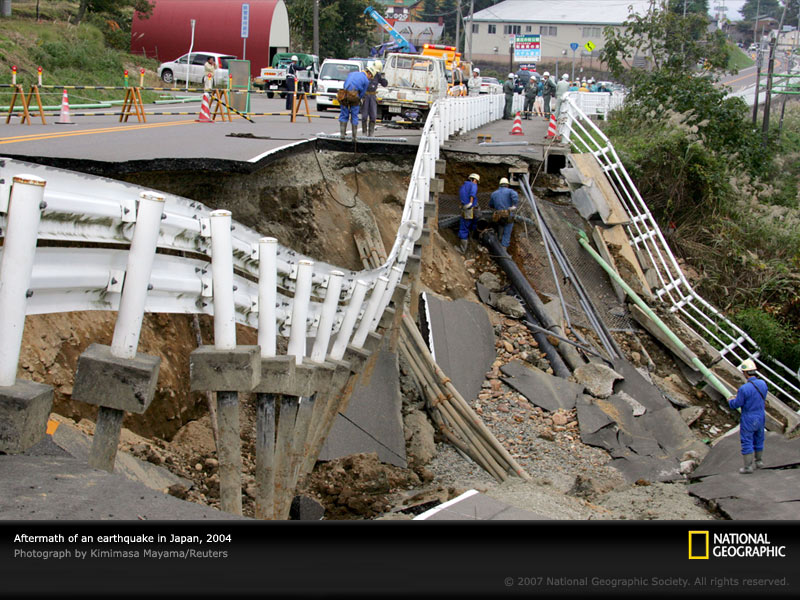
An earthquake is the vibrations that are produced when rocks break along a fault.
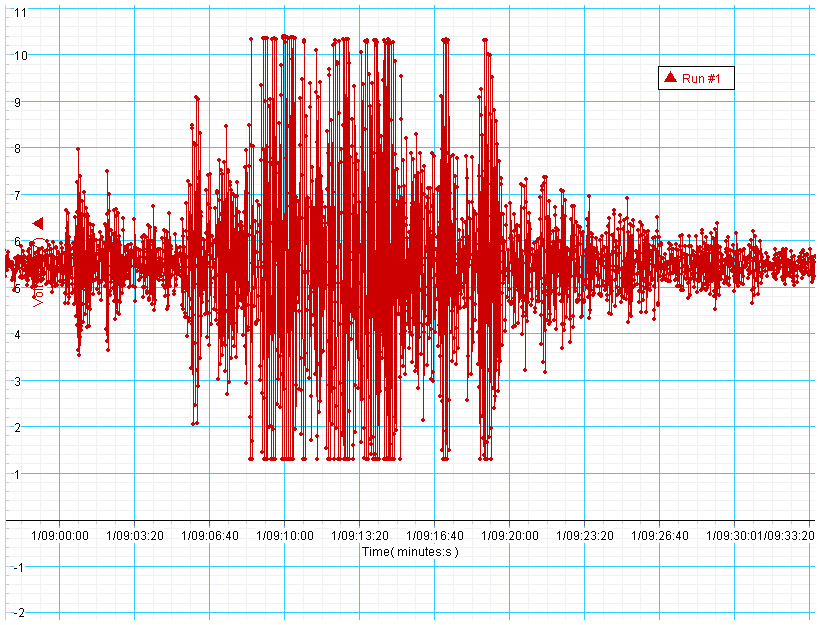
There are different ways that you can measure an earthquake one is a seismograph.
A seismograph is used to register the earthquakes waves and to record the time that each earthquake arrived in each of the areas.
Measuring earthquakes
The mercalli scale is used to measure the damage of each earthquake.
The richter scale measures the strength of the earthquake based on te height of the lines on the seismograph.
The three types of faults
Reverse fault: a break in the rock caused by a compressive force. When the rocks above the fault surface move upward relative to the rocks below the surface.
Normal fault: a break in the rock caused by tension forces. When the rock above the fault surface moves down.
Strike-Slip fault: a break in the rock caused by shear forces. The rocks move past each other without much vertical movement.

Seismic waves
Primary wave: wave that moves the rock particles back and forth in the same direction.
Secondary wave: wave that moves rock particles at a right angle to the direction of the wave.
Surface wave: wave that moves rock particles up and down in a backward rolling motion and side to side in a swaying motion.

